
The Climate-Ready Home: How to Stay Comfortable, Prepared, and Low-Carbon
A climate-ready home is not about fear. It is about comfort, preparation, and smarter daily choices that help your household stay safer during heat, storms, smoke, power outages, drought, and other disruptions.
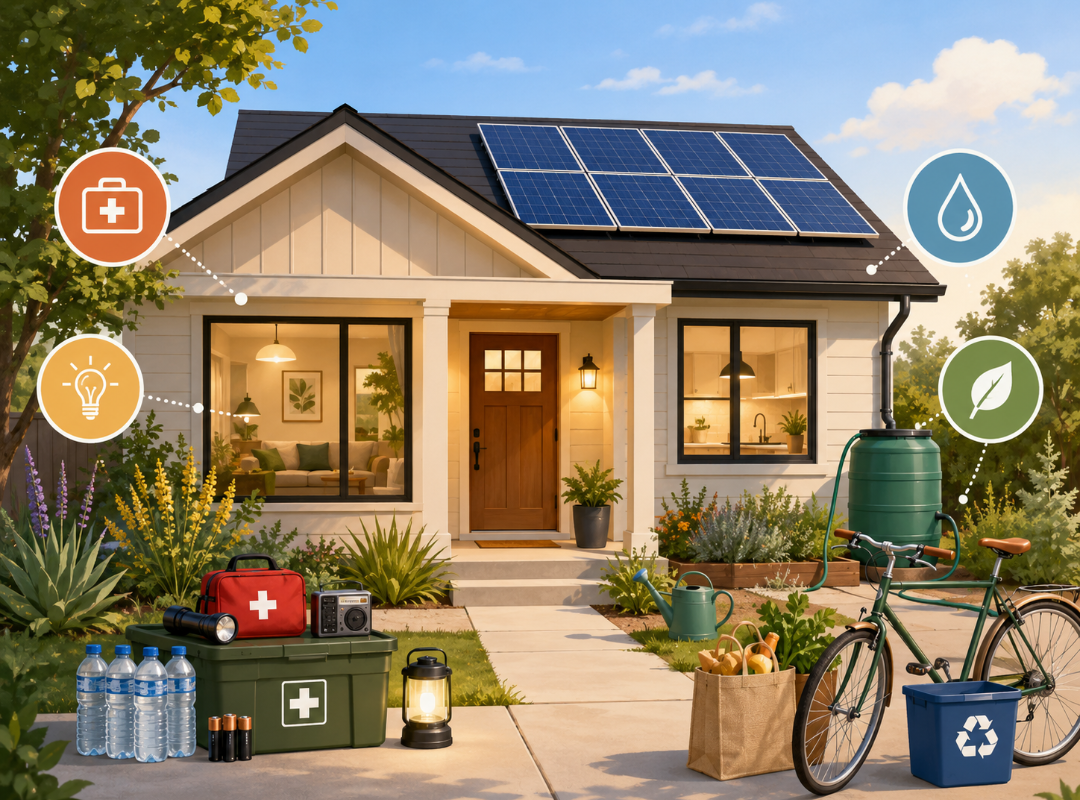
A climate-ready home does not require a perfect house or a huge budget. Many of the most useful changes are practical, affordable, and easy to start. A resilient home uses less energy, wastes less, stores basic supplies, protects health, and helps people stay comfortable when normal systems are strained.
This guide focuses on simple sustainable home tips that can help with comfort, home climate resilience, and extreme weather preparedness.
1. Start with comfort during extreme heat
Heat wave preparedness at home should be one of the first priorities. A hotter home can quickly become uncomfortable, especially for children, older adults, pets, and people with health conditions.
Start with simple steps: close curtains during the hottest part of the day, use fans wisely, seal obvious air leaks, and avoid running heat-producing appliances when indoor temperatures are already high.
If you use air conditioning, make it more efficient. Clean filters, keep vents clear, and use shade where possible. Even small improvements can help your home stay cooler while using less power.
2. Prepare for power outages before they happen
Extreme weather can interrupt power, internet, water access, transportation, and normal services. A basic emergency kit for extreme weather should include flashlights, batteries, power banks, bottled water, shelf-stable food, first aid supplies, medications, hygiene items, copies of important documents, and supplies for children or pets.
You do not need to build everything in one day. Add one or two items each week until your home has enough essentials to get through a short disruption. Keep supplies in a place that is easy to find, and make sure everyone in the household knows where they are.
3. Save energy without giving up comfort
A useful low-carbon home guide should always include energy efficiency. The cleanest energy is often the energy you do not need to use.
Start with habits like turning off unused lights, using natural daylight, unplugging devices that drain power, washing clothes with cold water when possible, and choosing efficient appliances.
Larger upgrades can help too, such as better insulation, weather stripping, heat pumps, solar panels, or efficient windows. But even if major upgrades are not possible right now, small energy habits still matter. They lower bills, reduce emissions, and make the home easier to keep comfortable.
4. Use water like it matters
A climate-ready home also pays attention to water. Drought, heat, and aging infrastructure can all place stress on local water systems.
Simple actions include fixing leaks, shortening unnecessary water use, installing low-flow fixtures, watering plants early in the morning, and choosing drought-tolerant landscaping where appropriate.
Water conservation is not only for dry regions. It is a long-term habit that helps households become more resilient. Saving water also saves the energy used to pump, heat, and treat it.
5. Reduce waste in everyday life
Sustainable home tips often begin with waste because it is visible and easy to change. Reduce single-use items, reuse containers when safe, repair what you can, donate usable goods, and recycle correctly according to your local rules.
Food waste deserves special attention. Planning meals, storing food properly, freezing leftovers, and using what you already have can reduce waste and save money. A low-waste home is often a more organized and more affordable home.
6. Know your local climate risks
How to prepare your home for climate change depends on where you live. A coastal household may think more about flooding and storms. A western household may focus on wildfire smoke, drought, and heat. A colder region may need winter storm supplies and backup heat planning.
Look at the risks in your area and make a simple plan. Sign up for local emergency alerts. Know evacuation routes. Keep important documents accessible. Talk with family members about where to meet and who to contact if normal communication is disrupted.
7. Build a home checklist you can actually follow
The best climate-ready home plan is one you can maintain. Keep it simple. Review supplies every few months. Replace expired food, check batteries, update medications, and adjust the plan as your household changes.
- Water for each person and pet.
- Shelf-stable food and a manual can opener.
- Flashlights, batteries, and power banks.
- First aid supplies and needed medications.
- Important documents stored safely.
- Basic tools, hygiene items, and extra clothing.
- Local emergency alerts and evacuation information.
Comfort Planet’s conclusion
A climate-ready home is not built all at once. It is built through steady choices: saving energy, using water wisely, reducing waste, preparing for extreme weather, and making the home safer and more comfortable.
The goal is simple: live better today while becoming more ready for tomorrow.
Start small. Stay consistent. Build a home that is more comfortable, more prepared, and more low-carbon over time.